

We all want to make the most of our tax return each year. Did you know, other than claiming the usual work related expenses, certain super contributions may also be tax deductible? If you’re looking at what deductions you might be able to claim this tax time, the good news is you may be able to add after-tax super contributions to your tax-deductions list. If you’ve missed out this year, you could also use this as a guide to how to claim next year.

Compulsory super contributions paid by employers went up in July. Here are 8 things you should know, including what it could mean for your take home pay. Super contributions employers are required to make increased from 10.5% to 11% of an eligible employee’s before-tax salary or wages at the start of July. These contributions are made under the government’s Super Guarantee (SG).

When you’re just starting out in the workforce, it’s easy to see superannuation as money that’s not quite yours. After all, if you’re focused on funding your lifestyle and saving for short term goals, retirement can seem a lifetime away; and seeing a chunk of your salary disappear into super every pay day can take some getting used to. Generally you can’t access your super until you retire, apart from in limited circumstances such as redrawing voluntary contributions to buy your first home. But once you get into your stride in terms of career and family goals, the long term benefits of super can start to take shape. There are plenty of tax concessions that can help build your super balance, as well as the magic of compounding investment returns to help your retirement savings grow. So even if retirement may seem a long way off, particularly if you’re one of the 29% of Australians aged between 20 and 39 1 , it pays to start planning. The more you save, the more chance you’ll have to enjoy a comfortable retirement.

With the life expectancy of Australians increasing over the years, most of us can assume we’re going to live longer than previous generations. But are our expectations on the money, or way off the mark? We bring you five important facts everyone needs to know about life expectancy. Back when compulsory super started in 1992, living to age 80 was considered a long life. Fast forward thirty years, and improvements in medical care and living standards have seen our lifespan extend by over a decade. A 65-year-old today can expect to live well into their 90s and could spend over three decades in retirement. Understanding your life expectancy is a crucial part of any good retirement plan. Living just a couple of years longer than you expect could leave you without enough income for later in life. But it’s not an exact science and no one really knows how long they’re going to live. However, you can make a more informed estimate with the right information. Here are five important facts you need to know about life expectancy.
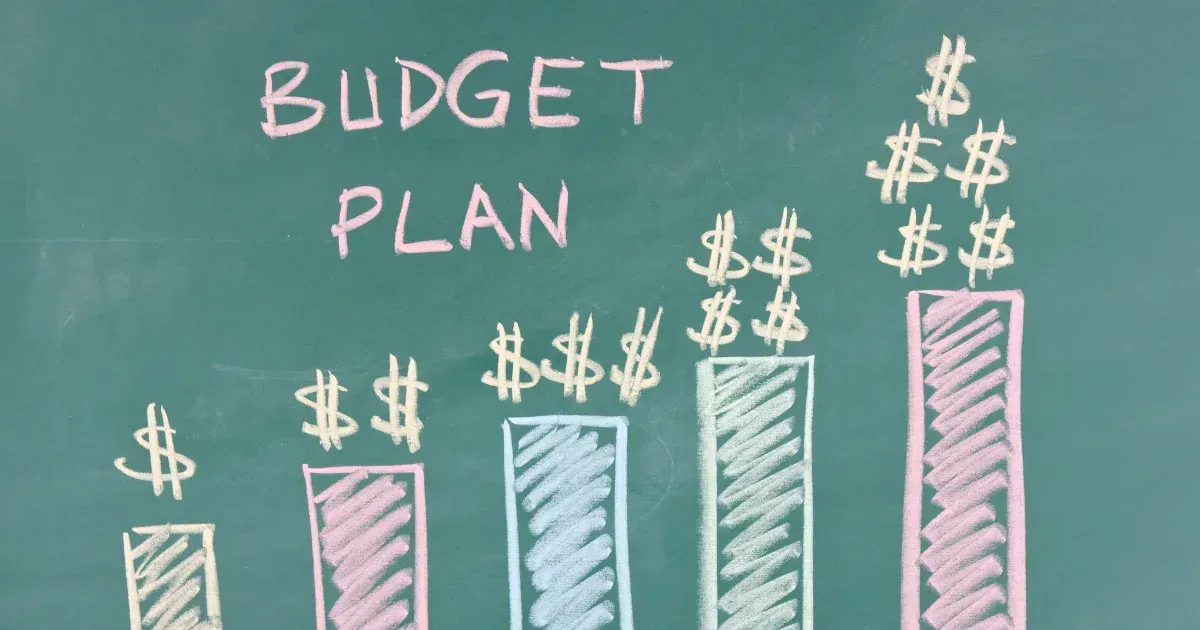
Having a solid budget is crucial to building financial resilience and as rising rates continue to put pressure on household finances, it could help to look at ways to save more and spend less. With Australia being one of the most highly leveraged countries in the world1 and the average mortgage for owner-occupied properties is just over $600,0002 – any increase in home loan repayments could see millions of householders scrambling to pay the bills. Fortunately, there are ways you can help to relieve the stress on the household budget and build financial resilience. If you have the flexibility, you could adjust your home loan – either by fixing part of your mortgage to reduce the impact of further rate increases or by reducing your repayments if you’re paying more than the minimum required (although bear in mind this means you’ll take longer to pay the loan off and pay more interest over the life of the loan – so, in the long run, this may not benefit you). Or you could look at where you might be able to make other savings in your household and personal budget.

Did you know from age 55, you may be eligible to make a super contribution of up to $300,000 using the proceeds from the sale of your home? Downsizing your home in retirement could have several upsides – some money in your pocket, less maintenance, and depending on your new location, greater convenience. If it’s something you’ve thought about, particularly if you’d like more savings to fund your retirement, the government’s downsizer contribution scheme may be of interest. Here’s what’s involved, what the potential benefits may be, and what you should consider.

Wills aren’t just for later in life and you should really have one when you start earning. And as money and family matters can be complex, it makes sense to get help.

Elder financial abuse can happen to anyone at any time. Learn how to recognise the signs and equip yourself with the knowledge to minimise the risk of it happening to you.

Making a commitment to share your life with another person is a significant milestone and there is a lot you can do to manage your money as a couple. The earlier you start having conversations about your shared finances, the easier it is to establish shared goals and strategies to reach them.

Retirement is a time that many Australians eagerly anticipate, providing plenty of time to pursue hobbies, do more travelling, or simply kick back and enjoy the fruits of your labour. We will outline key strategies to help boost and preserve your retirement savings, to help you achieve longterm financial security throughout your golden years.