

How to budget as interest rates rise

February 9, 2026

Share this article

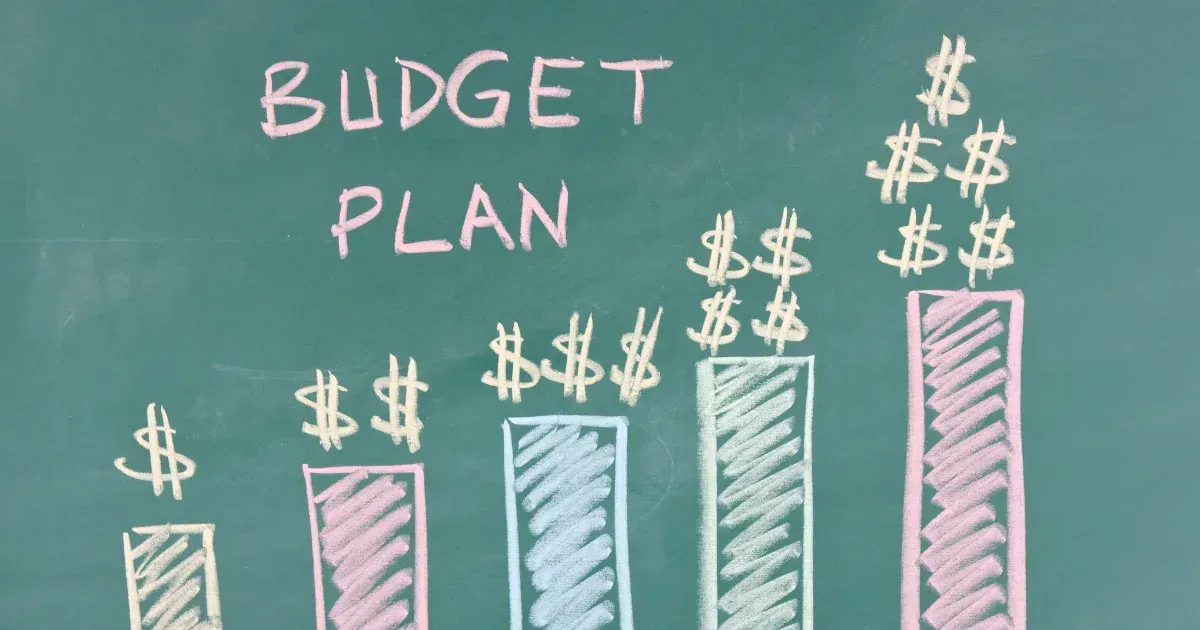
Chalkboard with

Having a solid budget is crucial to building financial resilience and as rising rates continue to put pressure on household finances, it could help to look at ways to save more and spend less.


With Australia being one of the most highly leveraged countries in the world1 and the average mortgage for owner-occupied properties is just over $600,0002 – any increase in home loan repayments could see millions of householders scrambling to pay the bills.


Fortunately, there are ways you can help to relieve the stress on the household budget and build financial resilience.


If you have the flexibility, you could adjust your home loan – either by fixing part of your mortgage to reduce the impact of further rate increases or by reducing your repayments if you’re paying more than the minimum required (although bear in mind this means you’ll take longer to pay the loan off and pay more interest over the life of the loan – so, in the long run, this may not benefit you).


Or you could look at where you might be able to make other savings in your household and personal budget.

Three steps to creating a budget

Spend less, save more. It sounds easy but it can be tough to find ways to cut back, particularly when you need to allocate more of your income to mortgage repayments.


The best way to start is creating a budget.

A budget is a great way to set down how much you’re spending (your outgoings) and how much you’re getting in income (your incomings).

  1. Calculate your income. Include everything – any money you earn from an employer, any money you receive from the government and any money you earn from investments.
  2. Work out your expenses. Look at what you spend and don’t miss anything out – you might be surprised at what you could cut back on. From council rates, gym memberships, insurance to daily must-haves.
  3. Use an online budgeting tool such as MoneySmart’s Budget planner – it can help you work out where your money is going.

Ways to cut your spending

You could divide your spending into different buckets – essentials like home loan repayments, grocery bills, utilities, transport and medical expenses – and discretionary spending like eating out, travelling and leisure activities.


Whether it’s regular payments or your entertainment spend, there could be ways to save more as interest rate rises start to bite.


Instead of looking at your budget and feeling overwhelmed, see it as an opportunity to help shape a happier future and keep you on track to reach your financial goals.

  • Could you shop around for a better deal on utility bills like gas, electricity and water?
  • Could you drive a bit less or even consider whether you need a second car if you have one? Think of all the petrol and tolls, it all adds up.
  • Could you shop at a more affordable supermarket or buy in bulk to make savings?
  • Could you cut back on paid subscription services in favour of free TV-on-demand services like ABC iView?
  • Could you take advantage of cheaper deals when going out like midweek specials at local cinemas and restaurants?
  • Could you look at cancelling memberships you’re not using in favour of cheaper options – instead of the local gym you could take up cycling or running.
  • Could you manage any other debts better by consolidating them into a single loan so you’re paying less interest?
  • Could you shop around for cheaper health insurance and consider generic brands with any medications?

Other items to consider

  • Quarterly, yearly expenses that pop up such as council rates, strata, car/contents/house insurance. These bills come around all too fast and it’s important to be prepared for these larger expenses.
  • Remember your furry friends and their expenses to, from food to vet visits and pet insurance.
  • Physio, dentist, chiropractor, health check-ups.
  • Wedding, birthday and Christmas expenses.

It’s a good idea to set up direct debits and digital payments, so you have an electronic record of spending. Setting this up the day you get paid from work means you won’t default on your regular repayments.

Reviewing your budget

Make sure you review your budget regularly, there are always other expenses that creep up and changes in circumstances such as

  • Getting a new job or promotion
  • You have a baby
  • Saving up for a holiday
  • Being made redundant
  • Getting married or divorced
  • Repairs and servicing

When reviewing, take note that you may find that some seasons there are more expenses than others and there are irregular expenses that you didn’t initially consider.

We’re here to help

If you’re worried about your home loan repayments increasing or experiencing financial stress, please let us know. The best thing you can do is to reach out early, as soon as you’re able. We will listen, take the time to understand your situation, and support you to sort through the challenges.

Source: AMP

Recent Posts

February 9, 2026
We all want to make the most of our tax return each year. Did you know, other than claiming the usual work related expenses, certain super contributions may also be tax deductible?  If you’re looking at what deductions you might be able to claim this tax time, the good news is you may be able to add after-tax super contributions to your tax-deductions list. If you’ve missed out this year, you could also use this as a guide to how to claim next year.

February 9, 2026
Compulsory super contributions paid by employers went up in July. Here are 8 things you should know, including what it could mean for your take home pay. Super contributions employers are required to make increased from 10.5% to 11% of an eligible employee’s before-tax salary or wages at the start of July.  These contributions are made under the government’s Super Guarantee (SG).

February 9, 2026
When you’re just starting out in the workforce, it’s easy to see superannuation as money that’s not quite yours.  After all, if you’re focused on funding your lifestyle and saving for short term goals, retirement can seem a lifetime away; and seeing a chunk of your salary disappear into super every pay day can take some getting used to. Generally you can’t access your super until you retire, apart from in limited circumstances such as redrawing voluntary contributions to buy your first home. But once you get into your stride in terms of career and family goals, the long term benefits of super can start to take shape. There are plenty of tax concessions that can help build your super balance, as well as the magic of compounding investment returns to help your retirement savings grow. So even if retirement may seem a long way off, particularly if you’re one of the 29% of Australians aged between 20 and 39 1 , it pays to start planning. The more you save, the more chance you’ll have to enjoy a comfortable retirement.

February 9, 2026
With the life expectancy of Australians increasing over the years, most of us can assume we’re going to live longer than previous generations. But are our expectations on the money, or way off the mark? We bring you five important facts everyone needs to know about life expectancy. Back when compulsory super started in 1992, living to age 80 was considered a long life. Fast forward thirty years, and improvements in medical care and living standards have seen our lifespan extend by over a decade. A 65-year-old today can expect to live well into their 90s and could spend over three decades in retirement.  Understanding your life expectancy is a crucial part of any good retirement plan. Living just a couple of years longer than you expect could leave you without enough income for later in life. But it’s not an exact science and no one really knows how long they’re going to live. However, you can make a more informed estimate with the right information. Here are five important facts you need to know about life expectancy.

February 9, 2026
Did you know from age 55, you may be eligible to make a super contribution of up to $300,000 using the proceeds from the sale of your home? Downsizing your home in retirement could have several upsides – some money in your pocket, less maintenance, and depending on your new location, greater convenience. If it’s something you’ve thought about, particularly if you’d like more savings to fund your retirement, the government’s downsizer contribution scheme may be of interest.  Here’s what’s involved, what the potential benefits may be, and what you should consider.

February 9, 2026
Wills aren’t just for later in life and you should really have one when you start earning. And as money and family matters can be complex, it makes sense to get help.

February 9, 2026
Elder financial abuse can happen to anyone at any time. Learn how to recognise the signs and equip yourself with the knowledge to minimise the risk of it happening to you.

February 9, 2026
Making a commitment to share your life with another person is a significant milestone and there is a lot you can do to manage your money as a couple.  The earlier you start having conversations about your shared finances, the easier it is to establish shared goals and strategies to reach them.

February 9, 2026
Retirement is a time that many Australians eagerly anticipate, providing plenty of time to pursue hobbies, do more travelling, or simply kick back and enjoy the fruits of your labour. We will outline key strategies to help boost and preserve your retirement savings, to help you achieve longterm financial security throughout your golden years.
February 9, 2026
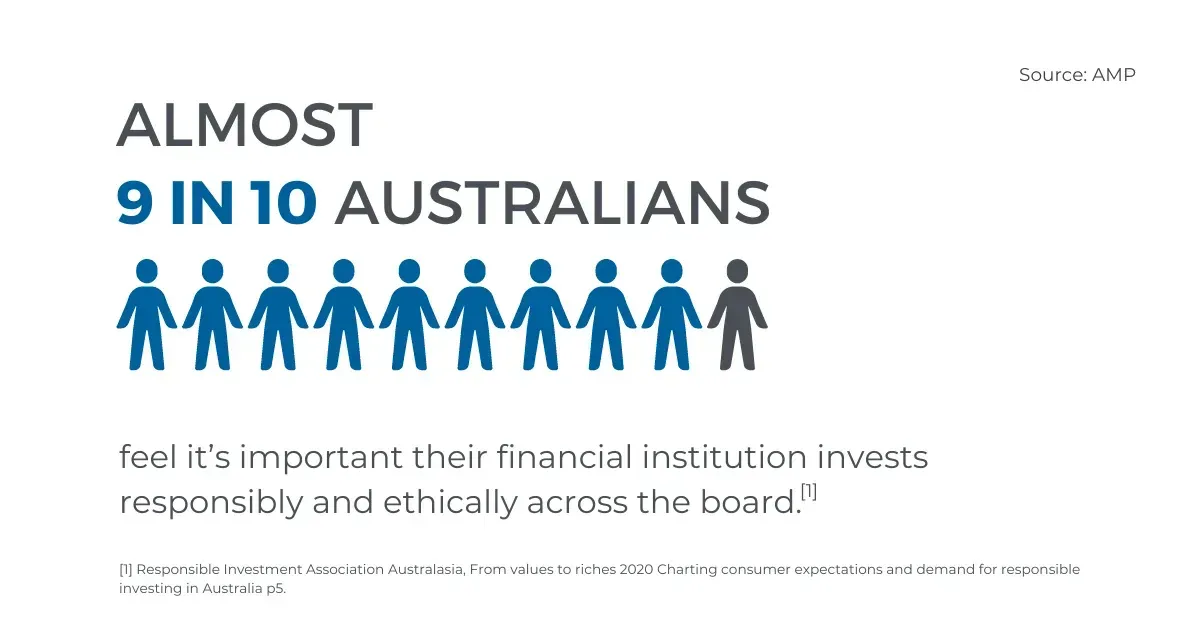
If you’d like your money to make a difference to the world as well as your future, responsible investing may be for you. Almost 9 in 10 (89%) Australians feel it’s important their financial institution invests responsibly and ethically across the board1. Ethical, social and governance (ESG) investments accounted for $1,281 billion, or 40%, of assets under management in Australia at the end of 20202, growing at 15 times the rate of the overall investment market.

Show More